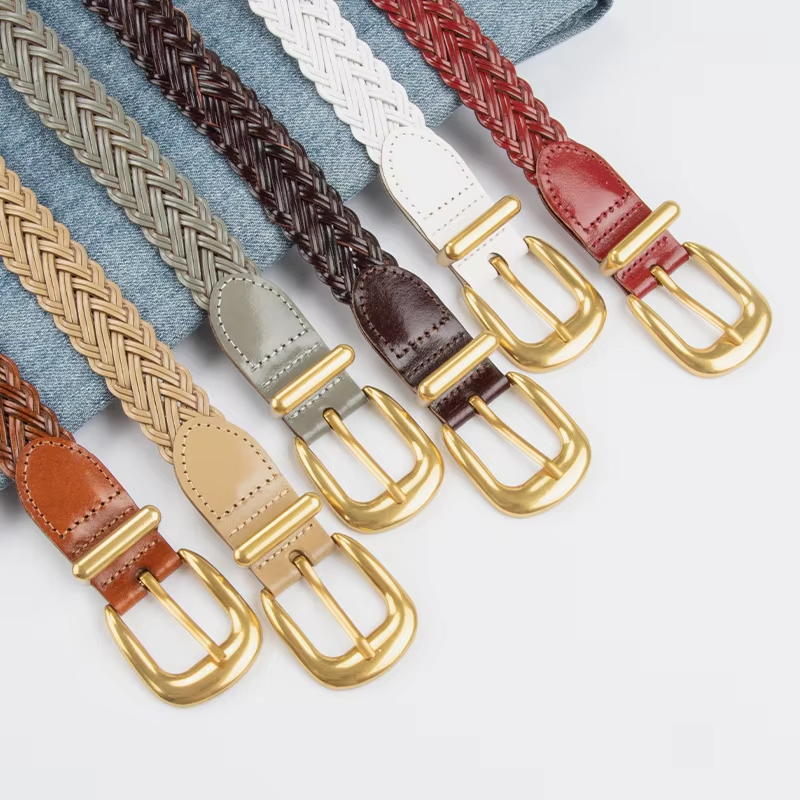
Types of Fabrics and Materials for Making Belts: Complete Guide
Every wardrobe tells a story, and the belt you choose writes the opening chapter. Whether you’re dressing for a formal event, gearing up for an outdoor adventure, or embracing sustainable fashion, the material of your belt plays a pivotal role in its durability, comfort, and style. Understanding why belt material matters is essential for designers, retailers, and consumers alike to make informed decisions that balance aesthetics, functionality, and longevity.
In this comprehensive guide, we delve into the world of belt materials — from the timeless elegance of natural leather to the versatility of fabrics, the innovation of synthetics, the exclusivity of exotic hides, and the eco-conscious choices of sustainable materials. We’ll also explore braided, rope, and straw constructions, offering styling and durability tips to help you find the perfect belt for any occasion.
Why Belt Material Matters
The choice of belt material defines its strength, flexibility, and aesthetic appeal. A well-selected material enhances comfort, resists wear, and complements the wearer’s style — making material selection a pivotal decision in belt design and manufacturing.
- Durability: Materials like full-grain leather offer exceptional longevity, while synthetics may wear out faster.
- Comfort: Breathability and flexibility vary greatly between leather, fabric, and synthetic options.
- Style: Material choice influences the belt’s formality and visual impact.
- Maintenance: Different materials require specific care to maintain appearance and performance.
- Sustainability: Eco-friendly materials are increasingly important in today’s market.
Natural Leather Materials
Natural leather remains the gold standard for belt making, prized for its unmatched strength, timeless aesthetic, and ability to develop a unique patina over time. Below are the six key leather grades used in belts:
Full-Grain Leather
- Description: Cut from the top layer of hide, preserving natural grain and markings.
- Advantages:
- Exceptional strength and longevity.
- Breathable; resists cracking.
- Develops a rich patina with age.
- Disadvantages:
- Highest cost.
- Visible blemishes require careful selection.
- Common Uses: Premium dress belts, heirloom pieces, luxury accessories.
- Care: Clean with soft cloth, condition every 3–6 months, avoid sun/moisture.
Top-Grain Leather
- Description: Surface lightly sanded to remove imperfections; more uniform finish.
- Advantages:
- Smooth, consistent appearance.
- Durable and breathable.
- Less expensive than full-grain.
- Disadvantages:
- Less natural character; no prominent patina.
- Protective finish may peel over time.
- Common Uses: Mid-range dress belts, fashion belts.
- Care: Wipe clean, condition lightly every 4–6 months.
Genuine Leather
- Description: Made from layers beneath top-grain, often reconstituted and dyed.
- Advantages:
- Budget-friendly.
- Uniform color and texture.
- Immediate availability.
- Disadvantages:
- Less durable; prone to cracking.
- Lacks natural grain and patina.
- Common Uses: Economical fashion belts, promotional items.
- Care: Wipe with damp cloth, avoid harsh chemicals.
Corrected-Grain Leather
- Description: Lower-quality hide sanded and embossed to conceal imperfections.
- Advantages:
- Flawless, uniform finish.
- Affordable.
- Resistant to stains.
- Disadvantages:
- Artificial look.
- Limited breathability; may crack.
- Common Uses: Fashion-forward belts requiring consistent color.
- Care: Clean with mild soap, use silicone-based conditioner.
Split Leather
- Description: Derived from fibrous layer beneath top-grain, often coated.
- Advantages:
- Cost-effective.
- Flexible and pliable.
- Good for embossed textures.
- Disadvantages:
- Less durable.
- Coating can peel.
- Common Uses: Casual belts, budget-friendly fashion lines.
- Care: Wipe clean, avoid abrasives, apply leather sealant.
Bonded Leather
- Description: Made from leather scraps bonded with adhesives and coated.
- Advantages:
- Very affordable.
- Consistent appearance.
- Vegan-friendly if PU-based.
- Disadvantages:
- Short lifespan; prone to peeling.
- Lacks breathability and natural feel.
- Common Uses: Promotional belts, novelty accessories.
- Care: Wipe with damp cloth, avoid heat.
Comparison Table of Leather Types for Belts
| Leather Type | Durability | Cost | Patina Development | Breathability | Recommended Use |
|---|---|---|---|---|---|
| Full-Grain Leather | ★★★★★ | High | Excellent | High | Premium dress & heirloom belts |
| Top-Grain Leather | ★★★★☆ | Moderate | Good (subtle) | High | Business-casual & fashion belts |
| Genuine Leather | ★★☆☆☆ | Low | Poor | Low | Budget fashion & short-term use |
| Corrected-Grain | ★★★☆☆ | Low-Moderate | None | Low | Uniform-color fashion lines |
| Split Leather | ★★★☆☆ | Low | None | Moderate | Casual embossed/patterned belts |
| Bonded Leather | ★☆☆☆☆ | Very Low | None | Very Low | Promotional & novelty belts |
Fabric and Textile Options
Fabric belts offer versatility — from rugged canvas to luxurious silk. They are ideal for casual, sporty, or fashion-forward designs.
Canvas Belts
- Highly durable and abrasion-resistant.
- Wide color and print options.
- Breathable and comfortable in warm weather.
- Care: Spot clean, air dry, avoid prolonged sun exposure.
- Uses: Casual wear, outdoor, military-inspired styles.
Cotton Belts
- Lightweight and breathable.
- Eco-friendly and biodegradable.
- Prone to stretching and shrinking.
- Care: Machine wash cold, air dry.
- Uses: Casual weekend wear, children’s belts.
Linen Belts
- Excellent breathability and moisture-wicking.
- Subtle sheen for refined casual look.
- Prone to wrinkles and less abrasion-resistant.
- Care: Hand wash or gentle cycle, air dry, steam iron low.
- Uses: Resort wear, summer collections.
Nylon Belts
- Superior durability and tear resistance.
- Lightweight and quick-drying.
- Limited breathability, may degrade under UV.
- Care: Machine or hand wash, hang dry.
- Uses: Tactical, outdoor, adventure belts.
Polyester Belts
- High color retention and print clarity.
- Resistant to wrinkles and mildew.
- Lower breathability.
- Care: Machine wash gentle, line dry.
- Uses: Promotional, fashion, sportswear.
Silk Belts
- Luxurious sheen and ultra-soft feel.
- Delicate and requires specialized care.
- Care: Dry clean or hand wash cold.
- Uses: Evening wear, bridal belts.
Wool Belts
- Natural insulation and moisture-wicking.
- Textured appearance.
- Can felt or pill with friction.
- Care: Dry clean or hand wash with wool detergent.
- Uses: Winter collections, artisan designs.
Comparison Table of Fabric & Textile Options for Belts
| Material | Durability | Formality | Breathability | Care Complexity | Typical Uses |
|---|---|---|---|---|---|
| Canvas | ★★★★☆ | Casual | High | Low | Outdoor, tactical, casual |
| Cotton | ★★★☆☆ | Casual | Medium | Medium | Summer wear, children’s belts |
| Linen | ★★★☆☆ | Resort/Casual | High | Medium | Resort wear, summer belts |
| Nylon | ★★★★★ | Casual/Utility | Low | Low | Tactical, military belts |
| Polyester | ★★★★☆ | Casual/Promotional | Low | Low | Promotional, sportswear |
| Silk | ★★☆☆☆ | Formal | Medium | High | Evening wear, bridal belts |
| Wool | ★★★☆☆ | Casual/Seasonal | High | High | Winter collections |
Synthetic Materials
Synthetic belts offer budget-friendly, water-resistant alternatives to leather and fabric.
PU (Vegan Leather)
- Affordable, waterproof, stain-resistant.
- Less breathable; surface may crack.
- Care: Wipe clean, avoid harsh solvents.
- Uses: Vegan collections, promotional giveaways.
PVC Belts
- Highly water-resistant and easy to clean.
- Prone to cracking; lacks breathability.
- Care: Wipe with mild soap, avoid sun exposure.
- Uses: Budget fashion, novelty, waterproof styles.
Rubber Belts
- Flexible, waterproof, excellent grip.
- Prone to tearing; limited breathability.
- Care: Rinse after salt/chlorine exposure, air dry.
- Uses: Work belts, swimwear, fitness accessories.
Microfiber Belts
- Lightweight, durable, water-resistant.
- May pill over time; less heat resistant.
- Care: Spot clean, air dry.
- Uses: Mid-tier vegan lines, activewear.
Performance Comparison: Synthetics vs. Genuine Leather
| Material | Durability | Water Resistance | Breathability | Eco Impact |
|---|---|---|---|---|
| PU | ★★★☆☆ | ★★★★☆ | ★☆☆☆☆ | Low |
| PVC | ★★☆☆☆ | ★★★★★ | ★☆☆☆☆ | Low |
| Rubber | ★★★☆☆ | ★★★★★ | ★☆☆☆☆ | Medium |
| Microfiber | ★★★★☆ | ★★★★☆ | ★★☆☆☆ | Medium |
| Genuine Leather | ★★★★★ | ★★☆☆☆ | ★★★★☆ | High |
Exotic and Specialty Materials
Exotic hides offer luxury, exclusivity, and unique textures.
| Material | Durability | Cost | Maintenance | Uniqueness | Recommended Use |
|---|---|---|---|---|---|
| Snakeskin | ★★★★☆ | High | Medium (special conditioners) | ★★★★★ (distinct scale patterns) | Designer & bespoke belts |
| Crocodile Leather | ★★★★★ | Very High | High (reptile-specific care) | ★★★★☆ (bold scale mosaic) | Premium dress & investment |
| Ostrich Leather | ★★★★☆ | Very High | Medium (gentle conditioning) | ★★★★★ (quill pattern) | Luxury casual & fashion belts |
| Stingray Leather | ★★★★★ | High | Medium (neutral balm) | ★★★★☆ (pebbled eyeshine) | Statement accessories |
| Shark Leather | ★★★★★ | High | Medium (specialist balm) | ★★★☆☆ (subtle grain) | Executive-casual & minimalist |
Braided, Rope & Straw Constructions
These belts combine craftsmanship with casual elegance.
Cotton & Hemp Braids
- High breathability, eco-friendly.
- Elastic give for adjustable fit.
- Care: Spot clean, air dry.
- Uses: Casual, beachwear, summer collections.
Synthetic Braids
- Superior durability, vibrant colors.
- Less breathable.
- Care: Machine or hand wash, air dry.
- Uses: Sport, outdoor, promotional belts.
Straw Belts
- Ultra-lightweight, natural texture.
- Sensitive to moisture.
- Care: Gentle spot clean, air dry.
- Uses: Resort wear, festivals, summer outfits.
Styling & Durability Tips
- Pair straw belts with sundresses or linen trousers.
- Reinforce stress points with stitching or leather patches.
- Rotate wear to extend lifespan.
- Avoid water exposure; use protective sprays.
Comparison Table of Braided, Rope & Straw Belt Constructions
| Material | Durability | Eco-Friendliness | Flexibility | Care Complexity | Typical Uses |
|---|---|---|---|---|---|
| Cotton Braids | ★★★☆☆ | High (biodegradable) | High | Low | Casual, summer, artisan |
| Hemp Braids | ★★★★☆ | High (sustainable fiber) | Medium | Low | Eco-fashion, festival wear |
| Synthetic Braids | ★★★★★ | Medium (depends on source) | Medium | Low | Outdoor, sport, promo |
| Straw Weaves | ★★☆☆☆ | High (natural fibers) | Low | Medium | Resort, summer, festival |
Sustainable and Eco-Friendly Materials
Sustainability is reshaping belt material choices.
| Material | Durability | Eco-Friendliness | Cost | Care Complexity | Typical Uses |
|---|---|---|---|---|---|
| Piñatex (Pineapple Leather) | ★★★☆☆ | ★★★★★ (upcycled agricultural waste) | Moderate | Low | Vegan fashion, capsule collections |
| Mushroom Leather | ★★★☆☆ | ★★★★★ (rapidly renewable) | High | Medium | Sustainable luxury, concept pieces |
| Apple Leather | ★★★☆☆ | ★★★★☆ (food industry byproduct) | Moderate | Low | Casual vegan belts, eco lines |
| Cork | ★★☆☆☆ | ★★★★★ (sustainably harvested) | Moderate | Low | Resort wear, eco-accessories |
| Bamboo | ★★★☆☆ | ★★★★★ (rapid growth) | Moderate | Medium | Wellness, eco-luxury belts |
| Recycled PET | ★★★★☆ | ★★★★☆ (recycled plastic bottles) | Low | Low | Sports, outdoor, eco-conscious activewear |
| Organic Cotton | ★★★☆☆ | ★★★★☆ (chemical-free farming) | Low-Moderate | Medium | Casual, children’s belts, eco-fashion |
How to Choose the Right Belt Material
Matching Material to Occasion
- Formal: Full-grain or crocodile leather.
- Business Casual: Top-grain leather or microfiber blends.
- Outdoor & Sport: Nylon, rubber, synthetic braids.
- Summer & Resort: Canvas, linen, straw.
- Sustainable Fashion: Piñatex, cork, recycled PET.
Budget Considerations
- High-end ($100+): Exotic hides, full-grain leather, mushroom leather.
- Mid-range ($30–$100): Top-grain, genuine leather, PU vegan leather.
- Entry-level (<$30): Bonded leather, PVC, recycled PET, basic canvas.
Brand Positioning
| Brand Tier | Suggested Materials | Key Message |
|---|---|---|
| Luxury | Crocodile, ostrich, full-grain | Exclusivity & craftsmanship |
| Contemporary | Top-grain, microfiber, piñatex | Modern style & innovation |
| Eco-Friendly | Cork, apple leather, recycled PET | Sustainability & conscience |
| Casual/Youth | Canvas, nylon, straw | Playful & accessible |
Prototyping & Sampling
- Request 3–5 swatches to evaluate texture and color.
- Use rapid prototyping (2–7 days) for functional samples.
- Conduct wear tests for comfort and durability.
- Refine based on feedback before production.
Final Decision Checklist
- Material matches occasion.
- Cost aligns with budget.
- Reinforces brand positioning.
- Samples meet durability standards.
- Care requirements acceptable.
Conclusion
Choosing the right belt material is crucial for durability, style, and user satisfaction. From luxurious full-grain leather to versatile fabrics and innovative sustainable options, each material offers unique benefits tailored to different occasions, budgets, and brand identities. Embrace the future of belts by balancing tradition with innovation and sustainability.
Ready to elevate your belt collection? Explore material samples, prototype wisely, and invest in quality that lasts.
Frequently Asked Questions (FAQ)
Q1: What is the most durable belt material? A: Full-grain leather and exotic hides like crocodile or stingray are top in durability. Among synthetics, high-tenacity nylon and rubber excel.
Q2: How do I care for leather vs. fabric belts? A: Leather belts require periodic conditioning and gentle cleaning; fabric belts can be spot-cleaned or machine-washed on gentle cycles and air-dried.
Q3: Are vegan leather belts as long-lasting as real leather? A: Modern vegan leathers like PU and Piñatex can last years under light to moderate wear but may crack or fade faster than full-grain leather.
Q4: Which materials work best for formal vs. casual belts? A: Formal belts shine in full-grain, top-grain, or crocodile leather; casual styles favor canvas, cotton, hemp, or straw.
Q5: How can I test a new material before bulk ordering? A: Request sample swatches and prototypes, conduct wear tests for buckle flex, edge abrasion, and colorfastness, and evaluate under real-world conditions.