
Leather is more than just a material—it’s a statement of style, durability, and quality. Among the many types of leather, nubuck leather and suede leather stand out due to their distinctive textures and aesthetics. Brands, designers, and consumers often face the dilemma: Which leather suits their product or lifestyle best? This comprehensive guide dives deep into the definition, manufacture, features, pros & cons of nubuck and suede leather, explores their key differences, and offers expert advice on choosing the right leather for your products.
Table
ToggleNubuck Leather: Definition, Manufacture, Features, Pros & Cons
Definition
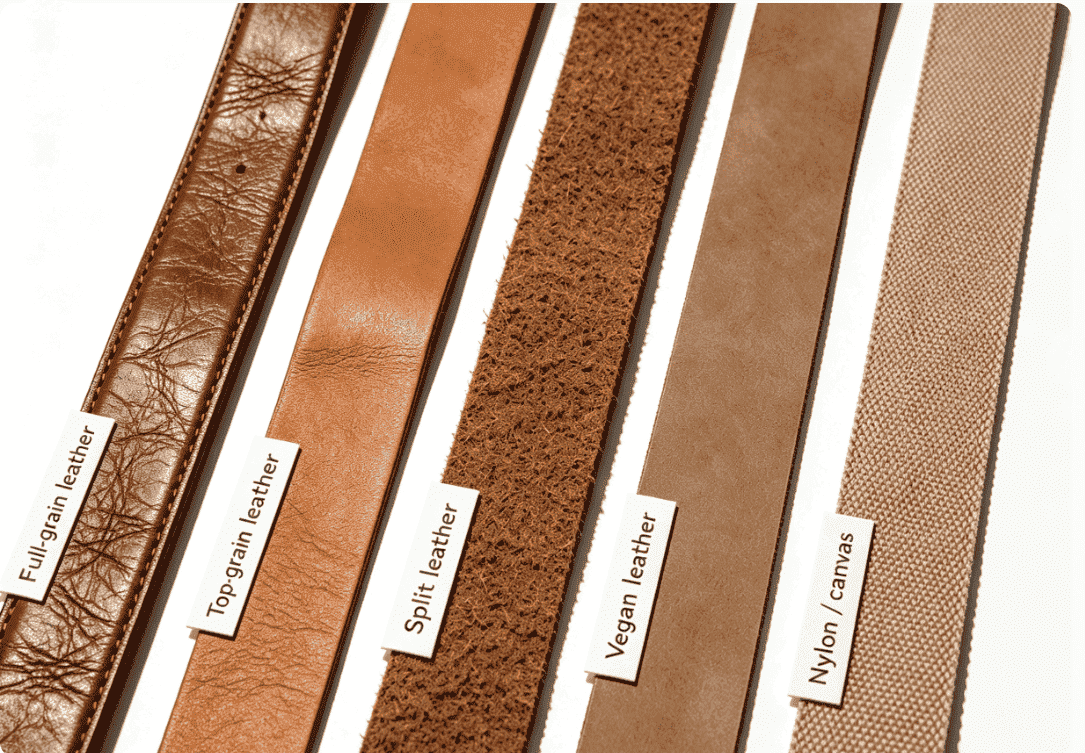
Manufacture Process
- Source: Full-grain hides (outer layer of the skin).
- Tanning: Typically chrome or vegetable tanning to stabilize the leather.
- Buffing/Sanding: The grain side is lightly sanded with fine sandpaper or abrasive pads to raise a dense, velvety nap without compromising the leather’s integrity.
- Dyeing: Nubuck absorbs dyes evenly due to opened pores from sanding.
- Finishing: Optional water-repellent or protective coatings are applied to enhance performance.
Key Features
- Dense, uniform nap (0.3 – 0.5 mm).
- Matte finish with subtle two-tone effect when brushed.
- Visible natural grain patterns and markings.
- Develops a refined patina over time.
Pros
- High durability and abrasion resistance.
- Luxurious, refined appearance.
- Retains structural integrity under wear.
- Moderate water resistance with protective treatments.
- Ages gracefully with use.
Cons
- Requires specialized cleaning kits and maintenance.
- Sensitive to water and stains without protection.
- Higher cost due to premium raw materials and labor.
- Can show buff marks if manufacturing is inconsistent.
Suede Leather: Definition, Manufacture, Features, Pros & Cons
Definition
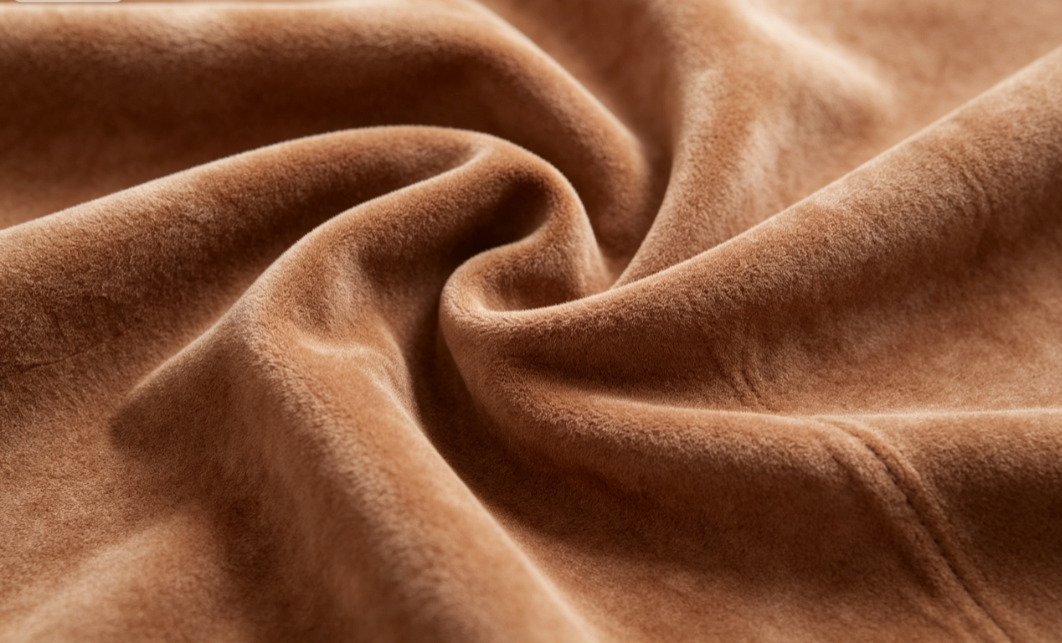
Manufacture Process
- Source: Split-grain hides (inner layers after removing top grain).
- Splitting: Thicker hides are split into layers, with the inner layer used for suede.
- Tanning: Optimized for flexibility and softness.
- Buffing: Flesh side is sanded or buffed to raise a plush, high nap (0.5 – 1 mm).
- Dyeing & Finishing: Surface dyes are applied, sometimes with waterproofing treatments.
Key Features
- High nap height with a fuzzy, plush texture.
- Soft, flexible, and breathable.
- Uniform appearance without natural grain markings.
- More porous and absorbent surface.
Pros
- Softness and comfort.
- Lightweight and breathable.
- Cost-effective compared to nubuck.
- Versatile for fashion-focused products.
- Easier to manipulate for apparel and accessories.
Cons
- Lower abrasion resistance; prone to scuffs and wear.
- Highly absorbent; stains and water damage easily.
- Requires frequent cleaning and protective sprays.
- Shorter lifespan under heavy use.
Nubuck vs Suede Leather: Key Differences
| Feature | Nubuck Leather | Suede Leather |
|---|---|---|
| Source & Leather Layer | Grain side (outer layer) of full-grain hides | Flesh side (inner split layer) of split-grain hides |
| Texture & Appearance | Fine, dense nap (0.3–0.5 mm); matte with grain visible | Coarser, fluffier nap (0.5–1 mm); fuzzy, uniform nap |
| Durability & Wear Resistance | High abrasion resistance (>500 double rubs); retains structure | Moderate abrasion resistance (200–300 double rubs); prone to wear |
| Water Resistance & Maintenance | Moderate natural water repellency (~80% with treatment); specialized cleaning required | Low water resistance (~60–70% with treatment); frequent brushing & stain guard needed |
| Cost & Material Yield | Higher cost ($6–$8/sq ft); thicker hides, less yield | Lower cost ($4–$6/sq ft); split hides, higher yield |
| Common Uses | Premium footwear, structured bags, upholstery | Casual footwear, apparel linings, fashion accessories |
How to Choose Between Nubuck and Suede Leather?
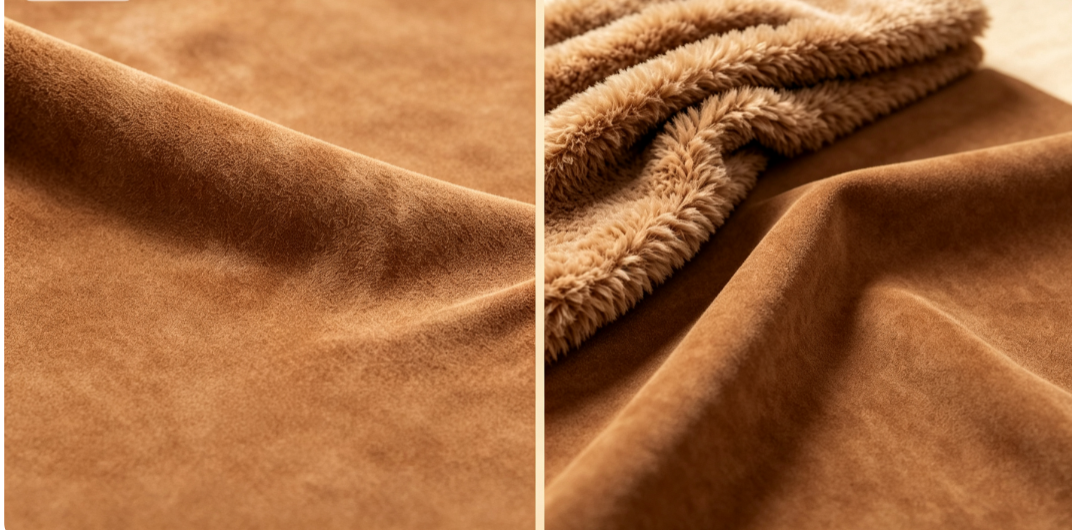
Align Material to Product Function
- Nubuck: Best for high-wear products requiring durability and structure.
- Footwear: Boots, sneakers, work shoes.
- Bags & Wallets: Structured, load-bearing designs.
- Upholstery: High-traffic furniture.
- Suede: Ideal for products prioritizing softness and flexibility.
- Apparel: Jackets, gloves, linings.
- Casual shoes: Loafers, moccasins.
- Accessories: Belts, watch straps.
Reflect Your Brand Positioning
- Luxury & Heritage Brands: Nubuck conveys premium craftsmanship with its full-grain origin and patina development.
- Accessible Fashion Brands: Suede offers a cozy, stylish look at mid-range price points.
Evaluate Lifecycle Cost & Maintenance
| Factor | Nubuck | Suede |
|---|---|---|
| Initial Cost | Higher ($6–$8/sq ft) | Lower ($4–$6/sq ft) |
| Maintenance Effort | Moderate (specialized kits) | High (frequent brushing and protection) |
| Replacement Frequency | Lower | Higher |
| Warranty & Returns | Fewer claims expected | More frequent claims |
Conduct Sample Testing & Quality Trials
- Order small batches (50–100 units) in target colors.
- Perform wear tests: abrasion, flex fatigue, moisture exposure.
- Collect tactile and durability feedback.
- Adjust nap height, finishes, or hardware accordingly.
Decide on MOQ and Production Scale
- Initial MOQ: 100–200 sq ft for testing.
- Full-scale launch: 300–500 sq ft for optimized yield.
- Ensure supplier scalability to 10,000+ units with consistent quality.
Which Products Are Best Suited for Nubuck and Suede?
Nubuck Applications
| Product Category | Nubuck Strengths |
|---|---|
| Urban & Premium Footwear | High abrasion resistance; structured toe & heel |
| Handbags & Totes | Shape retention; upscale matte nap |
| Upholstery & Interiors | Durability; water repellency |
| Automotive & Marine | Matte, non-glare finish; moisture resistance |
| Outdoor & Adventure Gear | Rugged straps; tear strength |
| Tech & Lifestyle Accessories | Structural rigidity; edge durability |
Suede Applications
| Product Category | Suede Strengths |
|---|---|
| Casual & Lifestyle Footwear | Soft comfort; breathable panels |
| Apparel & Outerwear | Soft drape; flexible design |
| Accessory Details | Supple hand feel; luxe linings |
| Home Decor Accents | Textural warmth; decorative appeal |
| Office & Tech Goods | Soft workspace materials; flexible covers |
| Personal Care & Travel | Tactile luxury; flexible luggage tags |
Cleaning & Maintenance of Nubuck and Suede
How to Clean Nubuck
- Use a nubuck brush to remove dust and dirt.
- Rub minor stains with a nubuck cleaning block or eraser.
- Apply a nubuck-specific liquid cleaner for deeper stains.
- Spray with a water-repellent protector and air dry.
- Store in breathable dust bags, away from sunlight.
How to Clean Suede
- Brush regularly with a suede brush (brass/nylon bristles).
- Use a suede eraser or white vinegar for tough spots.
- Apply suede cleaning foam, blot excess.
- Spray with a suede protector and allow to dry.
- Brush again to restore the nap.
Maintenance Tips
- Avoid water exposure; blot spills immediately.
- Reapply protective sprays every 3–6 months.
- Store in cool, dry places with good air circulation.
- Rotate usage to prevent excessive wear.
FAQs: Nubuck vs Suede Leather
Q1: Is nubuck a type of suede?
No. Nubuck is top-grain leather buffed on the grain side, while suede is split-grain leather buffed on the flesh side.
Q2: Can suede be waterproofed?
Yes, with quality protector sprays, but protection is temporary and limited against heavy rain.
Q3: Which leather is more durable?
Nubuck is more durable due to its full-grain origin and tighter fiber structure.
Q4: Which leather costs more?
Nubuck typically costs 15–30% more than suede due to premium hides and labor.
Q5: Are eco-friendly tanning options available?
Yes, both nubuck and suede can be vegetable or aldehyde tanned with LWG certifications.
Q6: What is a suitable MOQ for custom orders?
300–500 sq ft per SKU balances cost efficiency and waste.
Why Partner with Wlapparel for Your Custom Nubuck & Suede Belt Products?
Our Advantages
- Premium Sourcing: Italian, Argentine, Brazilian full-grain hides for nubuck; high-quality split-grain for suede.
- Rapid Prototyping: Sample turnaround in 2–7 days with 3D mock-ups.
- Flexible MOQ: Start from 100 units, scalable to 10,000+ without quality drift.
- Quality Assurance: ISO 9001, SMETA, BSCI, and LWG audited facilities with AQL ≤ 2.5% defect rate.
- Dedicated Support: Proactive project management and 24/7 customer service.
Elevate Your Collection
Conclusion
Meta Description:
Discover the ultimate guide to nubuck vs suede leather. Learn about their definitions, manufacturing, features, pros & cons, differences, product suitability, care tips, and expert advice for brands.