
Introduction
The History and Evolution of Belt Buckles Origins and Early Uses
- Iron Age & Roman Era: Buckles were primarily functional, securing armor and clothing.
- Middle Ages: Ornate buckles became popular among knights and nobility, often decorated with intricate designs.
- 19th Century: The American West popularized large, decorative plate buckles, often awarded as rodeo trophies.
Transition to Fashion Accessory
Modern Innovations
The Anatomy of a Belt Buckle: Understanding the Components
- Frame: The main structure or body of the buckle, often rectangular, oval, or D-shaped.
- Prong (Tongue): The pointed piece that fits into belt holes to secure the strap.
- Bar: The metal rod that connects the prong to the frame.
- Chape: The part that attaches the buckle to the belt strap, often a loop or plate.
- Plate: In plate buckles, the large flat surface that is often decorative.
- Hook or Clasp: Used in plate-style buckles to fasten the belt without holes.
Types of Belt Buckles: A Comprehensive Overview
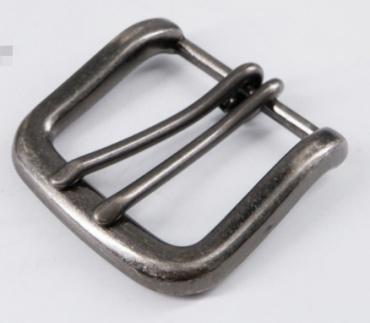
Table
Toggle1. Prong or Tongue Buckles (Classic Frame Style)
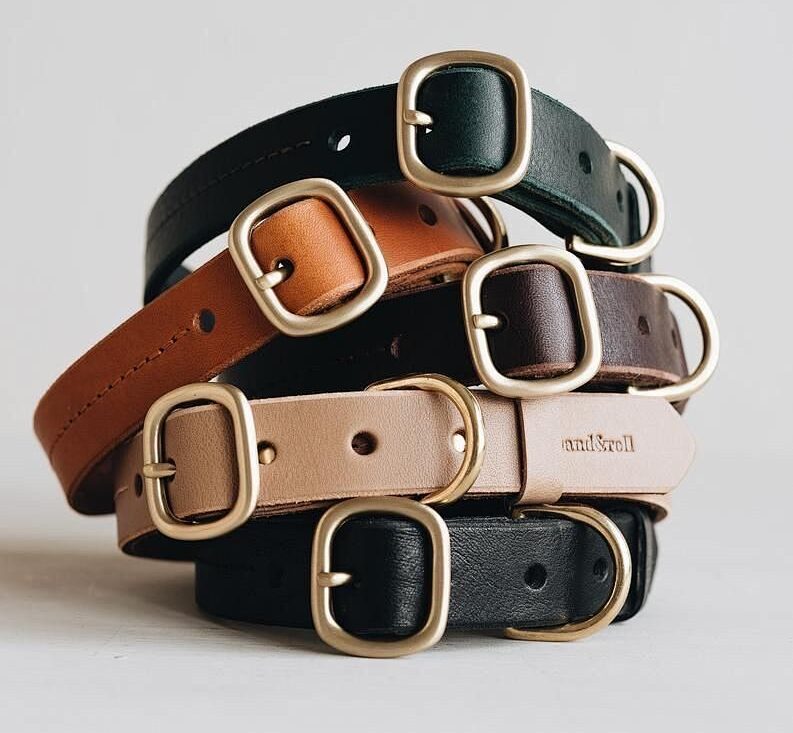
- Description: Features a frame with a movable prong that inserts into belt holes.
- Use: The most traditional and versatile style, suitable for dress and casual belts.
- Materials: Stainless steel, brass, or other metals.
- Advantages: Reliable, easy to adjust, timeless design.
- Best For: Everyday wear, formal and casual settings.
Plate Buckles (Western/Decorative Style)
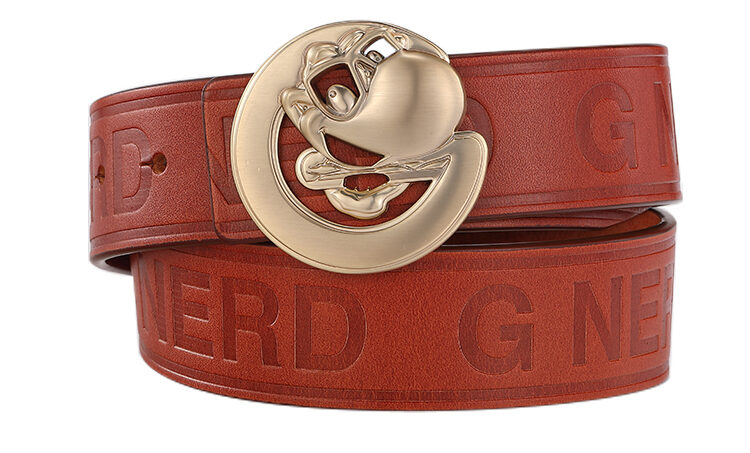
- Description: A large, flat plate that covers the front of the belt; often highly decorative.
- Use: Popular in Western wear and statement fashion.
- Mechanism: Hooks or clasps on the back secure the belt, often without holes.
- Advantages: Bold and expressive; ideal for showcasing logos or designs.
- Best For: Casual wear, rodeos, and fashion statements.
Box Frame Buckles
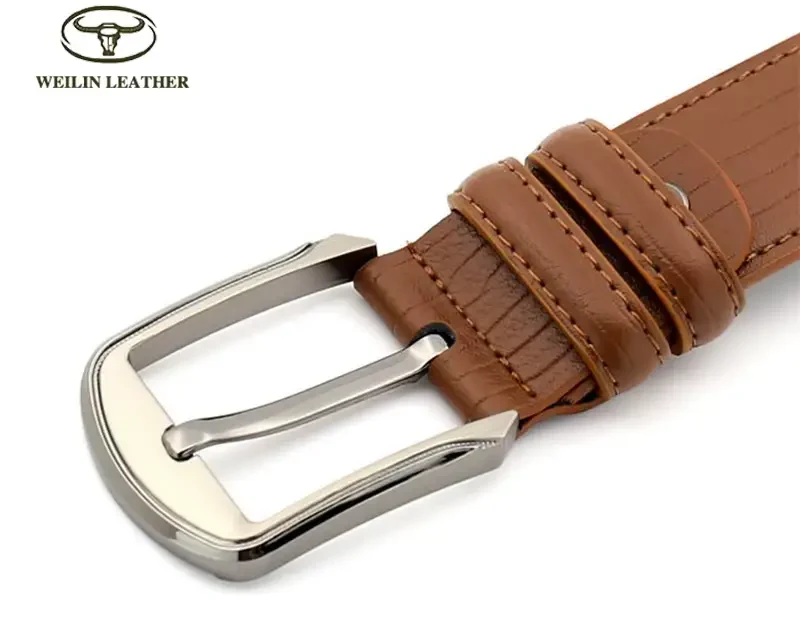
- Description: A box-shaped frame that encloses the belt strap; often used in military or tactical belts.
- Use: Provides a secure hold with friction and sometimes a prong.
- Advantages: Durable and prevents accidental loosening.
- Best For: Military, outdoor activities, and utility belts.
Ratchet or Auto-Lock Buckles
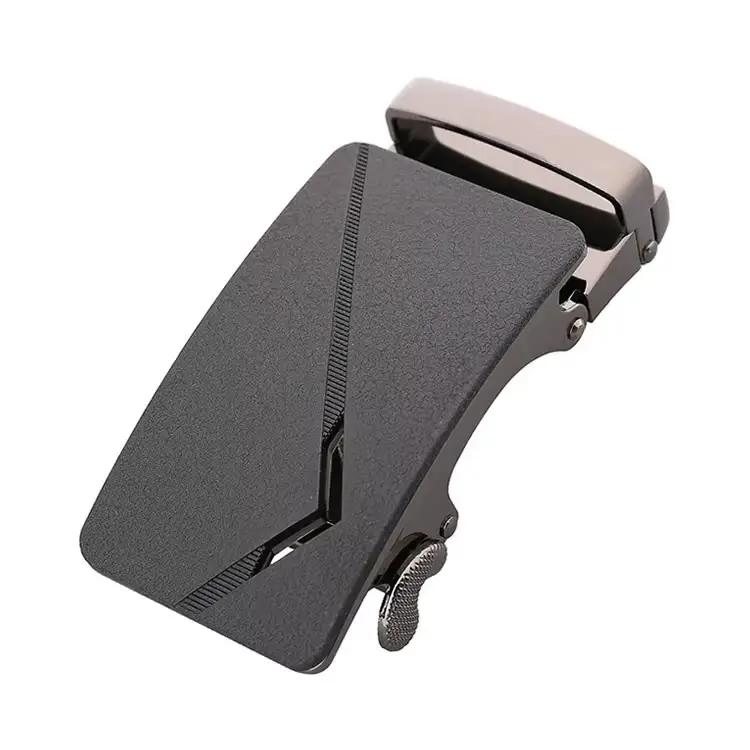
- Description: Uses a track system inside the belt strap with a spring-loaded mechanism for micro-adjustments.
Use: Modern innovation eliminating the need for holes.
Advantages: Precise fit, sleek appearance, easy to adjust.
Best For: Business attire, travel, and those seeking comfort and convenience.
Roller Buckles
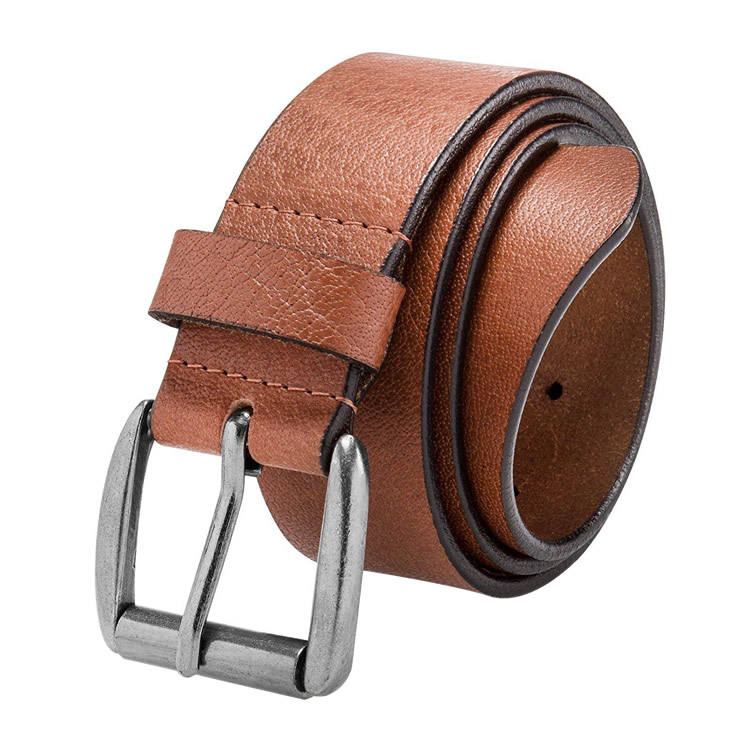
- Description: Similar to prong buckles but with a roller bar to reduce friction when tightening.
- Use: Common in leather belts.
- Advantages: Smooth operation, reduces wear on the belt.
- Best For: Leather belts, casual and formal wear.
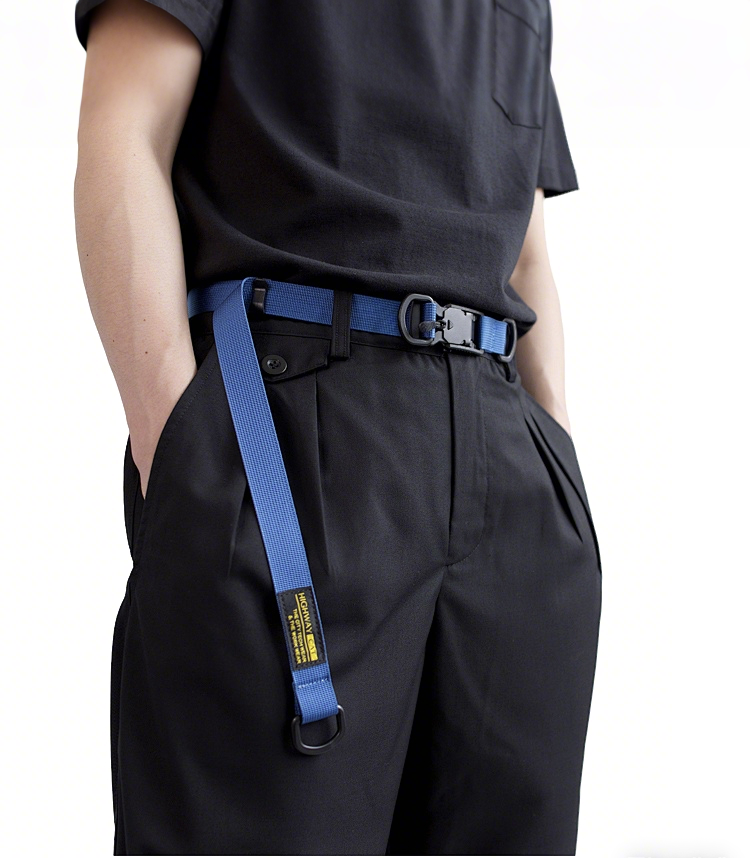
O-Ring and D-Ring Buckles
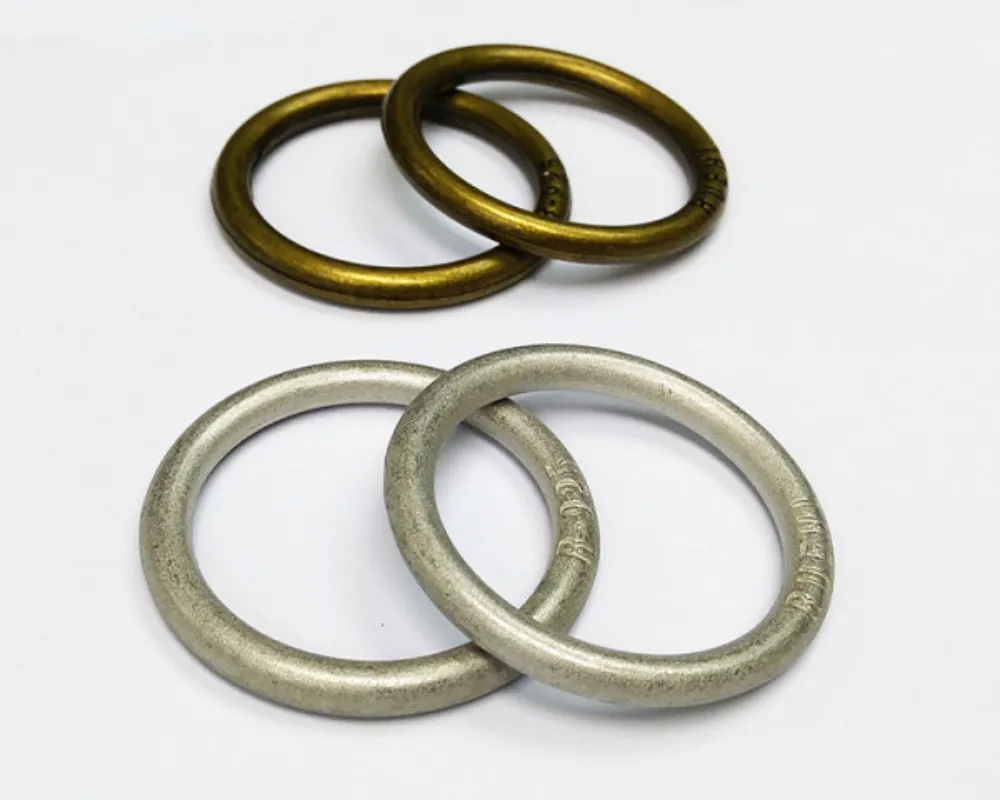
- Description: Uses one (O-ring) or two (D-ring) metal rings to secure the belt by threading the strap.
- Use: Popular in canvas, braided, or casual belts.
- Advantages: Adjustable, no holes needed.
- Best For: Casual wear, bohemian styles, and utility belts.
Snap or Clip-On Buckles
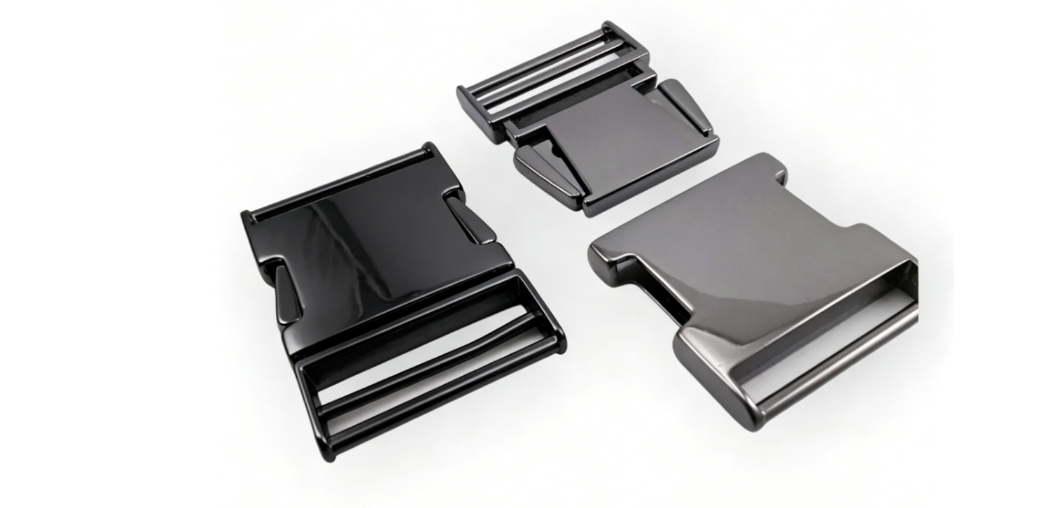
- Description: Uses snaps or clips to fasten the belt, often without holes or prongs.
- Use: Common in dress belts and quick-release applications.
- Advantages: Easy to use, clean look.
- Best For: Formal wear, tuxedos.
Military Buckles
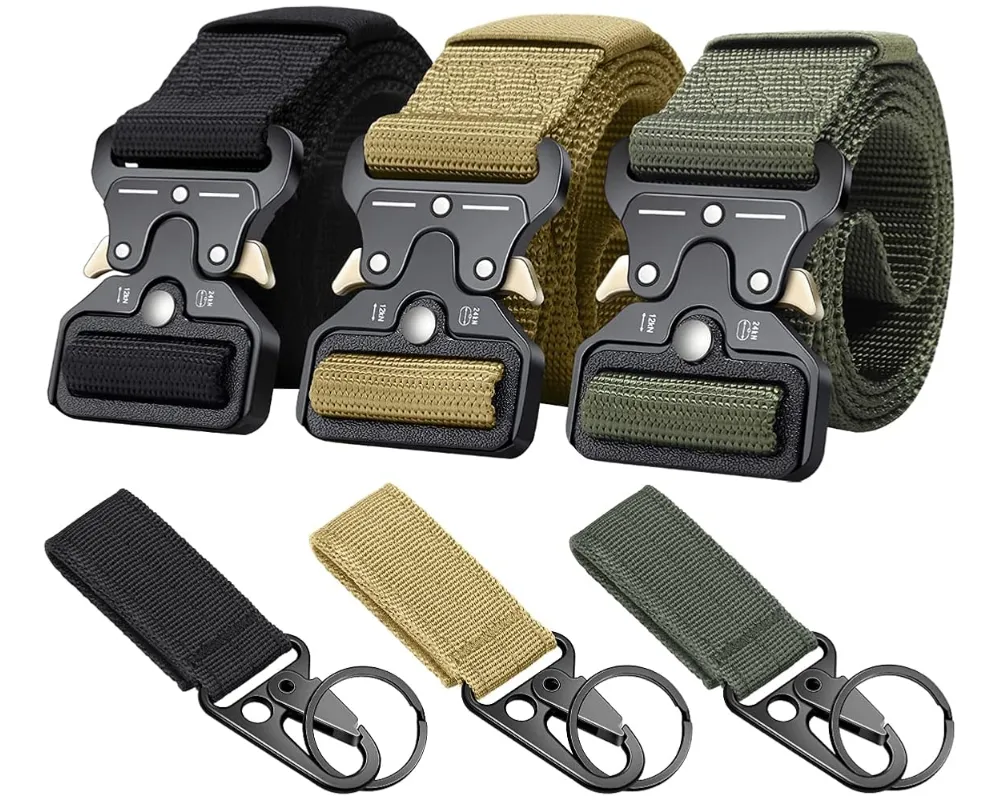
- Description: Rugged, functional buckles designed for durability; includes friction buckles and box-frame styles.
- Use: Designed for tactical belts and workwear.
- Advantages: Strong, secure, often matte-finished.
- Best For: Military, outdoor work, and utility belts.
Magnetic Buckles
- Description: Uses magnets to fasten the belt securely.
- Use: Ideal for individuals with mobility issues or quick fastening needs.
- Advantages: Easy to use, sleek design.
- Best For: Seniors, kids, casual wear.
Novelty and Designer Buckles
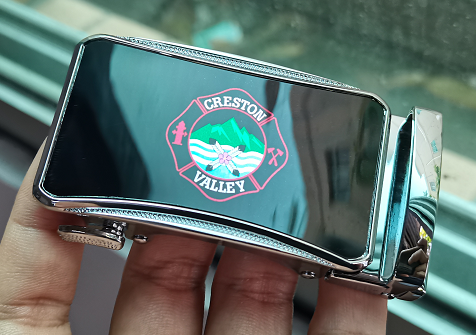
- Description: Buckles featuring unique, artistic, or branded designs.
- Use: Fashion statements or collector’s items.
- Advantages: Express personality, elevate outfits.
- Best For: Fashion-forward individuals, gifts.
Screw-In and Stitch Closure Buckles
- Description: Buckles attached by screws or stitching, often allowing interchangeability.
- Use: Allows changing buckles without replacing the entire belt.
- Advantages: Customizable, convenient.
- Best For: Those who like variety and customization.
Friction or Slide Buckles
- Description: Uses friction to hold the belt in place without prongs or holes.
- Use: Common in fabric or webbing belts.
- Advantages: Adjustable, simple.
- Best For: Casual wear, outdoor activities.
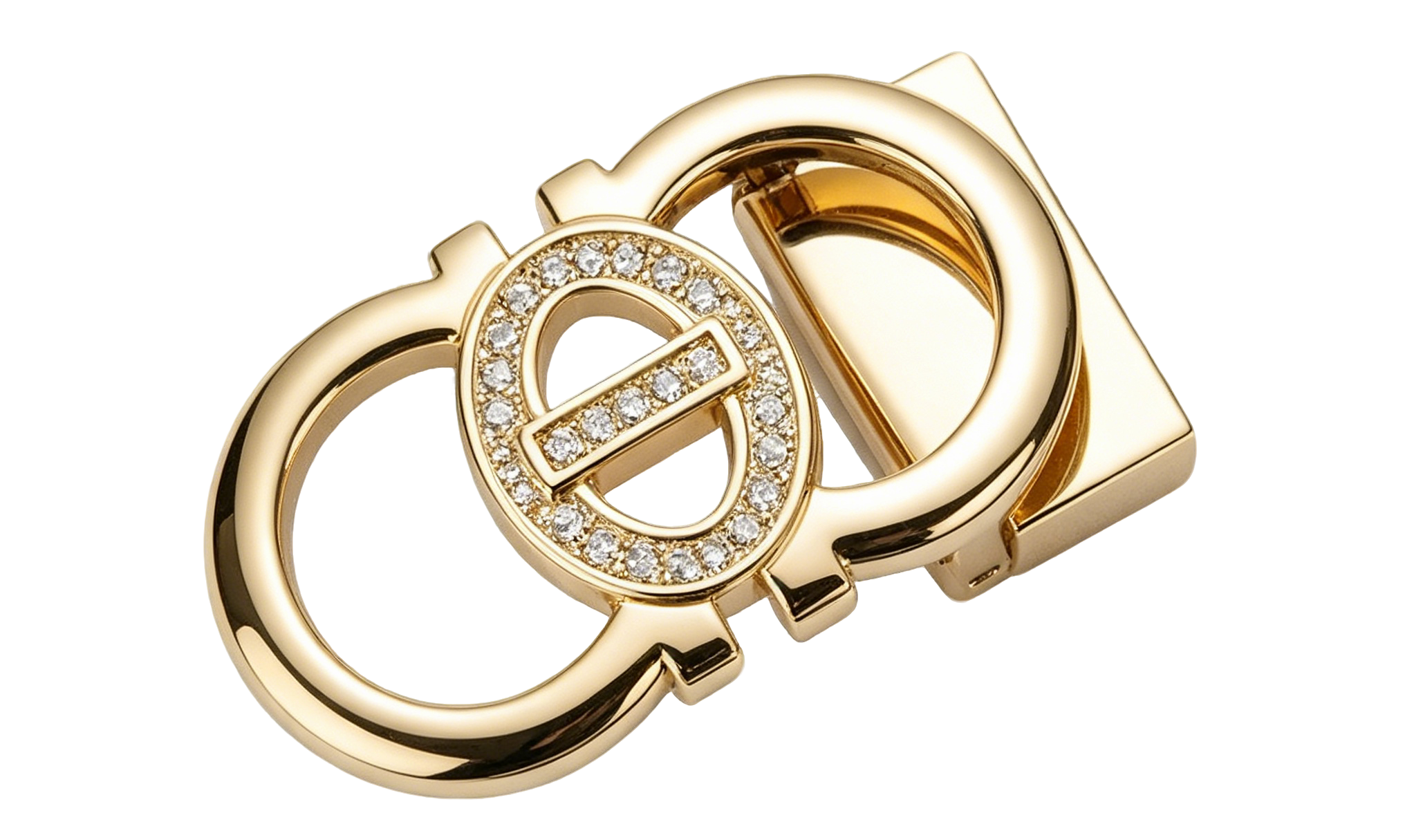
Belt Buckle Styles: A Comparison
| Buckle Type | Mechanism | Formality | Best Use | Materials |
|---|---|---|---|---|
| Prong (Classic Frame) | Prong through holes | Formal to Casual | Everyday, dress, casual | Brass, stainless steel |
| Plate (Western) | Hook/clasp, no holes visible | Casual, statement | Western wear, casual | Brass, plated metals |
| Box Frame | Enclosed frame with prong | Casual, tactical | Military, outdoor | Steel, brass |
| Ratchet (Auto-Lock) | Track and spring mechanism | Formal to Casual | Business, travel | Stainless steel |
| Roller | Prong with roller | Formal to Casual | Leather belts | Brass, steel |
| O-Ring/D-Ring | Thread through rings | Casual | Bohemian, casual | Metal rings |
| Snap/Clip-On | Snap or clip fastener | Formal | Dress belts | Metal, plastic |
| Military | Friction or box-frame | Tactical, casual | Military, work belts | Steel, brass |
| Magnetic | Magnetic clasp | Casual | Seniors, kids | Metal alloys |
| Novelty/Designer | Varied artistic designs | Casual to Statement | Fashion statements | Mixed materials |
How to Choose the Right Belt Buckle Style
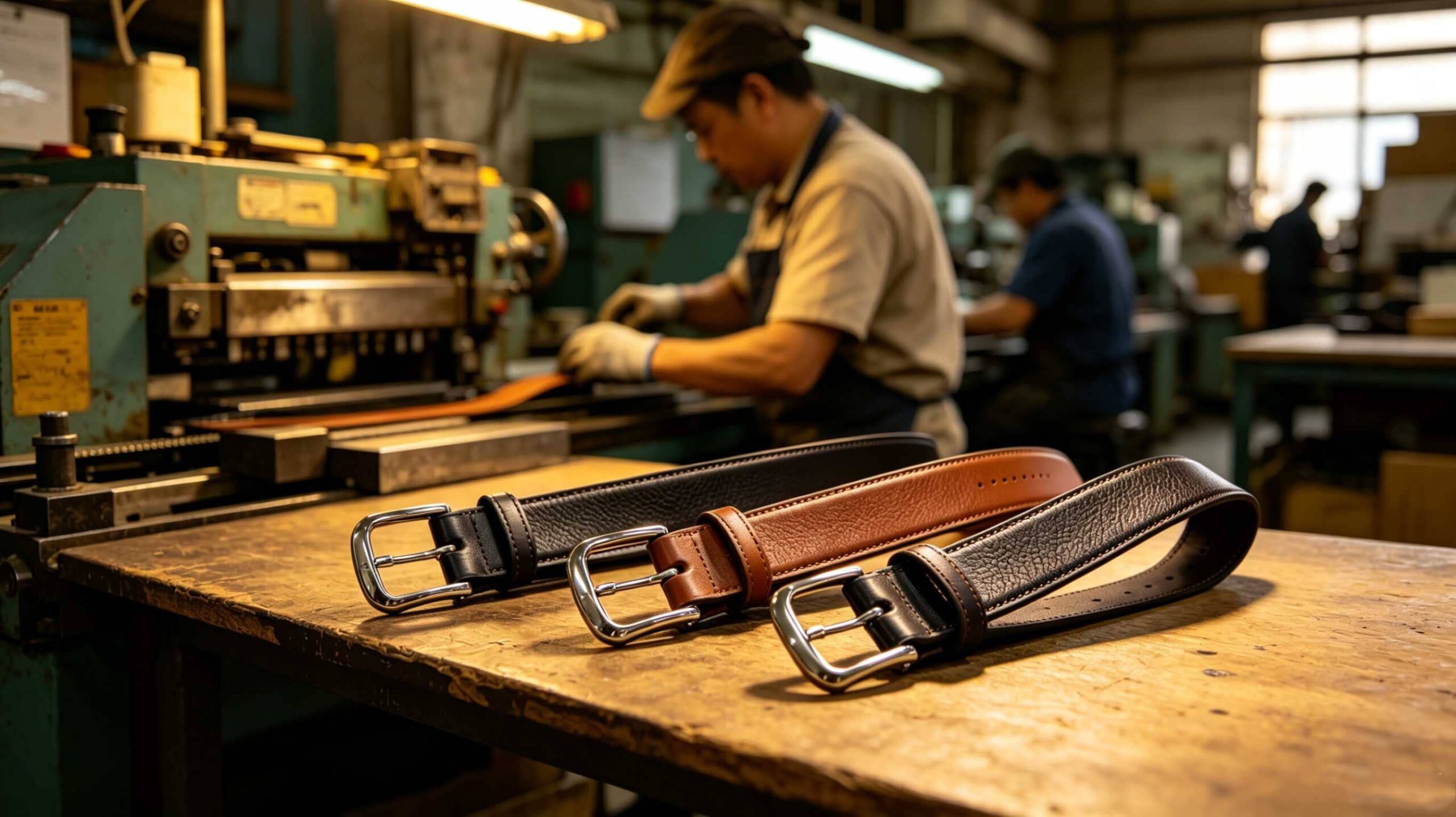 Selecting the perfect belt buckle depends on several factors:
1. Occasion
- Formal: Opt for slim, understated prong or ratchet buckles in polished metals like silver or gold.
- Casual: Feel free to experiment with plate, box frame, or novelty buckles.
- Statement: Go bold with large Western buckles or designer pieces.
2. Belt Width and Material
- Match buckle width to belt strap width (e.g., 1.25″ buckle for a 1.25″ strap).
- Heavier buckles suit thicker leather; lightweight buckles complement thinner belts.
3. Personal Style and Body Type
- Petite frames: Avoid oversized buckles that overwhelm your silhouette.
- Broad shoulders: Medium-width buckles balance proportions.
- Curvy figures: Symmetrical, centered buckles highlight the waist.
4. Functionality
- For frequent adjustments, consider ratchet buckles.
- For rugged use, choose military or box-frame buckles.
- For ease of use, magnetic or snap buckles are ideal.
5. Material and Finish
- Choose materials that complement your other accessories (e.g., silver buckle with silver watch).
- Consider hypoallergenic options like titanium if you have sensitive skin.
Styling Tips: Pairing Belt Buckles with Outfits

- Formal Wear: Pair slim prong or ratchet buckles with leather dress belts and polished shoes. Match buckle metal to shoe hardware.
- Casual Wear: Use plate or box-frame buckles with denim or chinos. Experiment with textures and finishes.
- Western Style: Pair large, ornate plate buckles with jeans and boots for authentic flair.
- Bohemian/Streetwear: O-ring or D-ring buckles work well with fabric or braided belts.
- Statement Pieces: Novelty or designer buckles can be the centerpiece of simple outfits.
Care and Maintenance of Belt Buckles
Cleaning Tips
- Use a soft, dry cloth for regular cleaning.
- For brass, polish occasionally with brass-specific cleaners like Brasso.
- Silver buckles benefit from silver polishes; avoid harsh chemicals.
- Avoid moisture and store buckles in a dry, cool place away from sunlight.
Storage
- Store buckles separately or in fabric-lined boxes to prevent scratches.
- Keep away from humidity to avoid tarnishing.
When to Replace
- Replace buckles showing signs of wear, damage, or malfunction.
- Consider upgrading for style refresh or better functionality.
- Interchangeable buckles allow easy swapping without replacing the entire belt.
Common Myths and Mistakes About Belt Buckles
Myth: Bigger buckles are always better.
Fact: Oversized buckles can overwhelm your look and body type.
Myth: All metal buckles are the same.
Fact: Material quality affects durability, comfort, and appearance.
Myth: You can wear any buckle with any outfit.
Fact: Matching buckle style to occasion and outfit is key to looking polished.
Mistake: Neglecting maintenance shortens buckle life.
Solution: Regular cleaning and proper storage extend longevity.
Frequently Asked Questions (FAQs)
What are the main types of belt buckles?
How do I choose the right belt buckle for different occasions?
What materials are best for high-quality belt buckles?
How should I care for and maintain my belt buckles?
When should I consider replacing or upgrading my belt buckle?
Conclusion
Find the Perfect Buckle for Your Custom Belt
Ready to create a belt that is a true reflection of your brand’s style and commitment to quality? At Wlapparel Leather, we specialize in sourcing and crafting custom belts with a wide range of high-quality buckle styles and materials. Partner with us to bring your unique vision to life.
Ready to bring your leather goods to life?
Hoplok Leather is a vertically integrated OEM/ODM factory with over 1.5 million units of monthly capacity.
Explore our manufacturing capabilities: